




The report identified significant flaws, demanding criminal cases against those responsible. The CDA chairman, inquiry committee members, and eight individuals named in the report have been summoned to the next meeting. A proposal for third-party fire, performance, medical, and safety audits of all hospitals in Islamabad was also suggested.
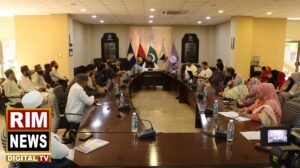
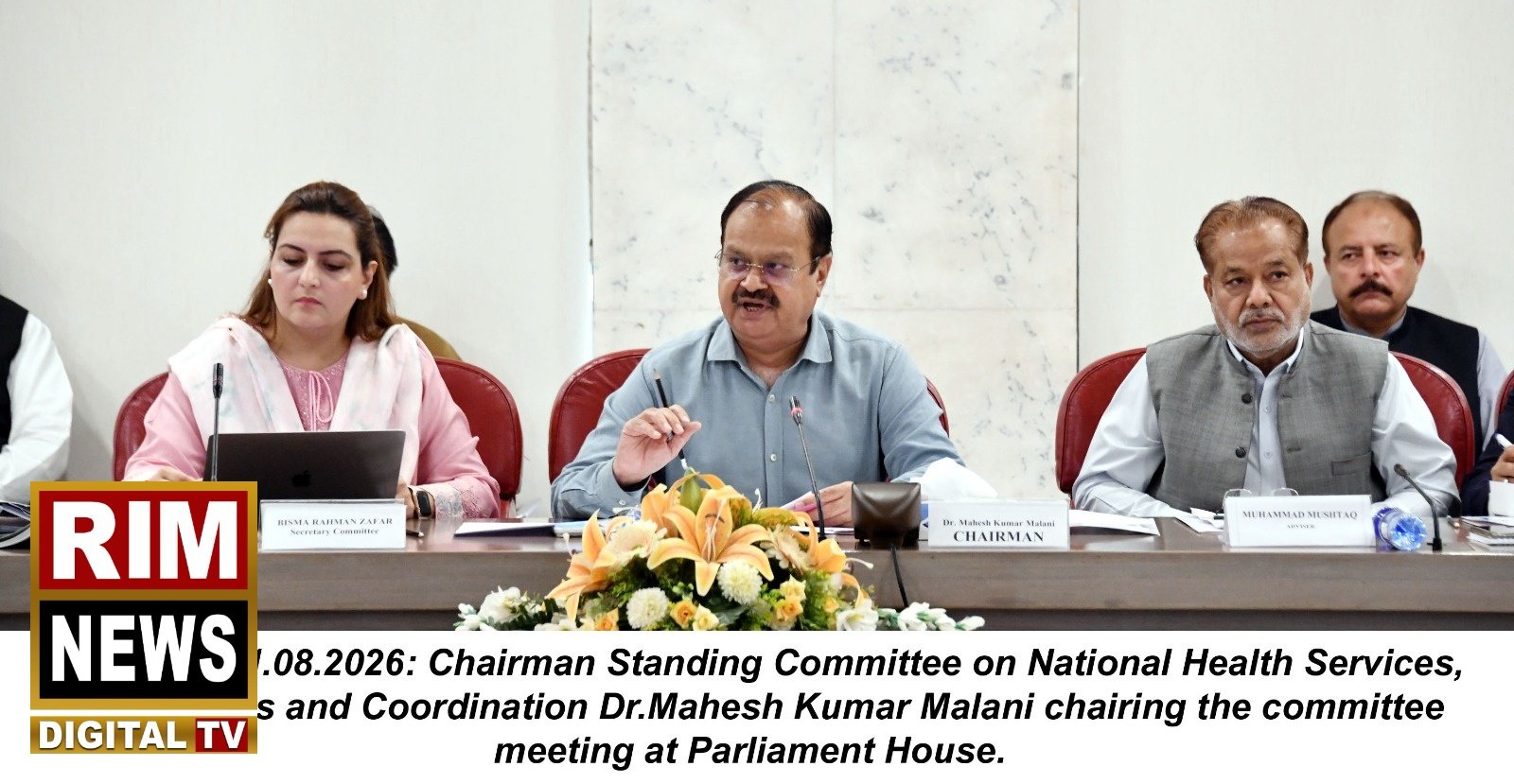
Islamabad (Izhār Khān Niyāzī) – The National Assembly’s Standing Committee on National Health Services, Regulations, and Coordination expressed serious concern over the fire incident at the PIMS nursery that resulted in the deaths of 14 newborns. The committee rejected the preliminary inquiry report ordered by the Prime Minister due to significant flaws and demanded criminal action against all individuals responsible. The committee stated that the issue is not just about why the children could not be saved after the fire, but the fundamental question is how the fire spread so rapidly in the nursery and why the fire safety system failed to be effective.
Committee Chairman Dr. Mahesh Kumar Malani stated during the meeting that a comprehensive examination of all aspects, including the fire safety system, electrical installations, air conditioning equipment, oxygen arrangements, medical equipment, emergency preparedness, and staff training, is essential. The committee has requested detailed reasons for each of the 14 newborns’ deaths, the number of individuals present in the nursery at the time of the incident, CCTV footage before and after the fire, inspection records, medical equipment records, fire safety audits, mock drills, and complete details of emergency training.
Committee members also raised questions regarding reports suggesting that the fire was caused by sparks from the air conditioner, while other reports mentioned a malfunctioning air conditioner, leaving the actual cause of the fire unclear. Members questioned why transferable air conditioners were being used in such a sensitive area and why all electrical and medical equipment was not regularly inspected.
The committee expressed serious concern over the inadequacy or ineffectiveness of fire drills, staff training, fire alarms, sprinklers, and emergency preparedness in the nursery, stating that effective emergency preparedness could have prevented the loss of valuable human lives. The committee has requested complete records related to fire safety installations, expenditures, purchases, tenders, contractors, installation, and maintenance at PIMS over the past five years.
The performance of the Islamabad Healthcare Regulatory Authority was also discussed in the meeting. The committee questioned whether the authority fulfilled its legal responsibility to ensure compliance with minimum standards in public and private medical institutions in Islamabad and whether inspections were conducted. Members inquired when the last comprehensive inspection of PIMS was conducted, the status of compliance with medical and safety standards, and whether the required audits and inspections of public hospitals were carried out.
The committee stated that if recurring safety and administrative issues arise in large medical institutions, regulatory failure cannot be overlooked. Members raised questions about the formation of the Healthcare Regulatory Board, its legal status, potential conflicts of interest, and the appointment process for the Chief Executive Officer, directing clarification of the relevant legal position. The committee has instructed that officials from the relevant authority be summoned to the next meeting to present a detailed report on inspections, violations, and actions taken at PIMS and other hospitals in Islamabad.
Committee members also expressed concern over the apparent ignorance of the Federal Minister for National Health regarding several critical issues facing the health sector. Members stated that committee members are repeatedly highlighting issues that should normally be brought to the minister’s attention by the ministry and relevant departments. The committee emphasized that the minister cannot rely solely on departmental briefings and that political and administrative accountability is essential for reforms in the health sector.
The committee also requested details of the actions taken by the Ministry of Health following the Prime Minister’s inquiry report. The federal minister stated that the Prime Minister had formed the inquiry committee on the evening of the incident and that the ministry did not conduct a separate parallel inquiry to avoid duplication in investigations. However, committee members disagreed with this stance, questioning whether the ministry should not have ensured independent verification of the report’s findings and implementation of recommendations within its responsibility.
Members sought clarification regarding actions against officials deemed responsible in the inquiry report from the health, interior, and establishment ministries. Several members labeled the incident as criminal negligence, questioning why criminal cases had not yet been filed against those responsible. The committee has sought legal advice from the Law Division regarding the filing of cases against the government officials deemed responsible.
The committee was informed that a letter had already been sent to the Ministry of Interior for criminal action against the eight individuals deemed responsible for the incident. However, members demanded clarification on the basis for actions taken against each individual and the determination of responsibility. The committee also questioned the appropriateness of investigating the conduct of serving officers by retired officers and the legal status of the inquiry committee’s formation and mandate.
Administrative matters of PIMS were also discussed in the meeting. Committee members questioned the assignment of multiple additional positions to one officer, stating that if an officer allegedly holds nine additional charges, how can they effectively carry out important responsibilities? The committee has requested complete details regarding all additional charges, the basis for their approval, and the reasons for not assigning responsibilities to other officers.
The committee raised questions about the appointment of a new executive director for PIMS, asking whether the new head possesses the required administrative and institutional experience to run a major teaching and medical institution in the country. The federal minister acknowledged the seriousness of the situation, stating that PIMS needs to be fundamentally reorganized and that merely appointing a new executive director will not resolve the institution’s longstanding issues.
The committee clarified that fundamental reforms are essential in PIMS’s administrative structure, staff shortages, patient management, emergency response capabilities, and accountability systems. Members stated that the PIMS tragedy is a wake-up call for the entire national health system, emphasizing that immediate fire safety assessments should also be conducted in other major public hospitals, especially the Polyclinic.
The standing committee also expressed serious concern over the absence of the CDA chairman and Chief Commissioner of Islamabad, directing that the Islamabad Commissioner, CDA Chairman, all members of the Prime Minister’s inquiry committee, and the eight individuals named in the interim report be summoned to the next meeting to present their stance before the committee.
The committee also proposed conducting third-party fire safety, performance, medical, and safety audits in all medical centers in Islamabad. The meeting raised concerns about the shortage of doctors and other medical staff, insufficient availability of postgraduate and associate-level specialists, patient management issues, and allegations of doctors referring patients to private clinics.
The standing committee directed the Ministry of Health and PIMS administration to take immediate steps to resolve these issues. Chairman Dr. Mahesh Kumar Malani stated that the committee’s goal is not only to identify those responsible after the tragedy but also to find answers to the fundamental question of how the next child’s life can be saved.
He stated that the committee will continue to pursue this matter until accountability is ensured and effective reform measures are implemented so that no hospital or family has to face such a tragedy in the future.